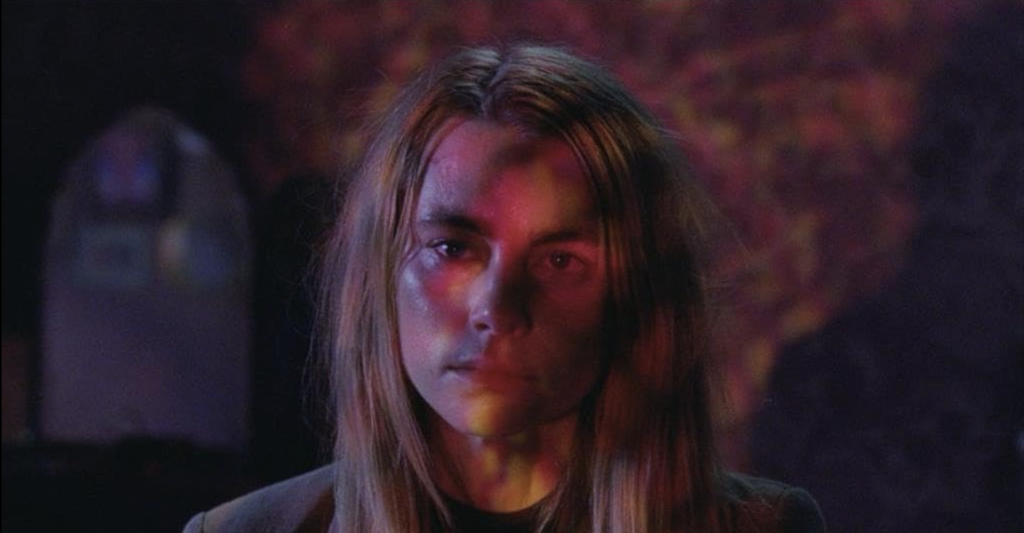
Julie Pacino’s directorial debut I Live Here Now premiered in the UK at Edinburgh International Film Festival’s Midnight Madness strand. Produced by an all-female company championing first-time filmmakers, the psychological drama demonstrates how new production models are opening space for unconventional storytelling.
Shot on 35mm in a meticulously recreated motel set, the film follows Rose (Lucy Fry) as she navigates fragmented memories and shifting psychological landscapes. Alongside Fry, the cast includes Madeline Brewer, Matt Rife, and Sheryl Lee, with Pacino steering the vision as director and Floriane Andersen serving as executive producer.
From Shorts to Features
The company’s foundations lie in the team’s early work on short films, where creative experimentation and festival recognition helped them establish credibility.
“We began with short films, which grew quickly thanks to success on the festival circuit,” Andersen recalls. “That momentum eventually gave us the chance to move into features — and when the opportunity arose, it was impossible to turn down.”
This progression from shorts to features reflects a deliberate strategy: proving themselves on the festival circuit, then leveraging that success into more ambitious projects. It also illustrates how women-led collaborations are creating sustainable opportunities in independent filmmaking.
Strategic Production Choices
The team’s decision to relocate from California to UK studios allowed them to rebuild the motel setting with full creative control. “We would have never been able to do that in a real hotel,” Andersen notes, emphasising how strategic flexibility enhanced production value. Their commitment to shooting on 35mm also underscores a distribution strategy focused on theatrical exhibition, with Utopia handling both domestic and worldwide rollout.
As both a debut feature and a case study in independent filmmaking, I Live Here Now illustrates how strategic planning and bold creative choices can align. For industry watchers, the film offers an example of how women-led production companies are carving out space for emerging voices, building sustainable careers while pushing genre boundaries.